13
Nov

When the average adult spends 8 hours a day, 5 days a week in the office, chances are, that’s where they will be creating the most waste throughout the week:
The Average Individual Office Worker’s Waste Generation1:
With the Covid-19 pandemic, businesses and individuals alike were told to use PPE and disposables to help stop the spread of infection. Common “disposables” are typically plastic and exceptionally harmful for the environment.
Let’s take a look at the numbers:
STYROFOAM NEVER
DECOMPOSES4
Plastic & Styrofoam never actually go away.
Experts have determined that Covid-19 has made this threat to the environment even worse. With the amount of waste workplaces generate, it’s important that they do their part to lessen the impact of harmful disposables by making their office more eco-friendly by choosing eco-friendly materials.
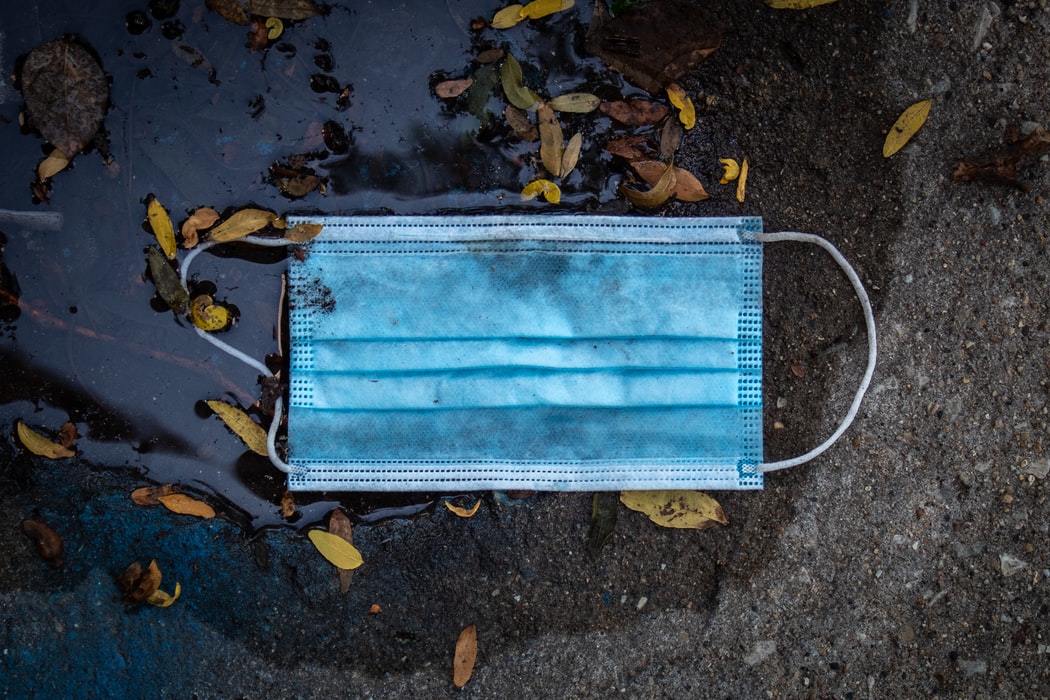
Medical-grade face masks actually have plastic in their manufacturing. These along with disposable gloves and personal hand sanitizer bottles have created a sharp increase in litter.
In fact, about 75% of the used masks and pandemic-related plastic waste will end up in landfills or floating on the seas, according to the U.N.7
“Our streets, beaches and ocean have been hit by a tidal wave of COVID-19 waste including plastic face masks, gloves, hand sanitizer bottles and food packaging,” the UNCTAD report says.
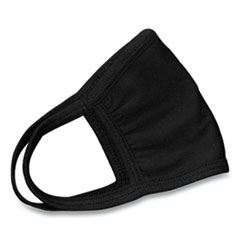
Cloth facemasks, even those that are treated with antimicrobial coating, can be machine-washed. This allows them to be used multiple times. The cotton fabric will decompose in about 1-5 months once tossed away.
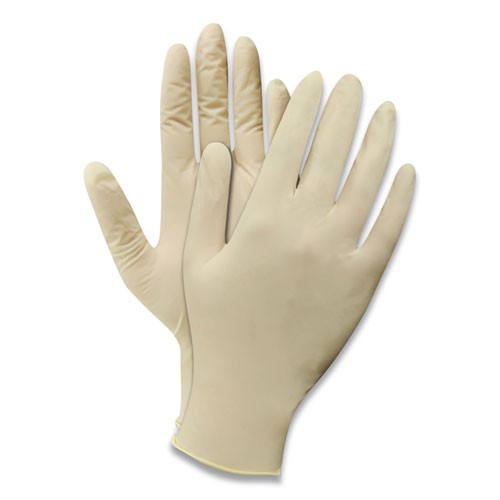
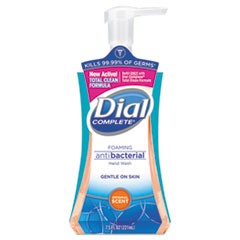
Washing hands with soap is one of the most effective ways to prevent the spread of infection. Forgoing gloves and simply washing hands with soap more often will give employees protection from Covid-19 and other illnesses.
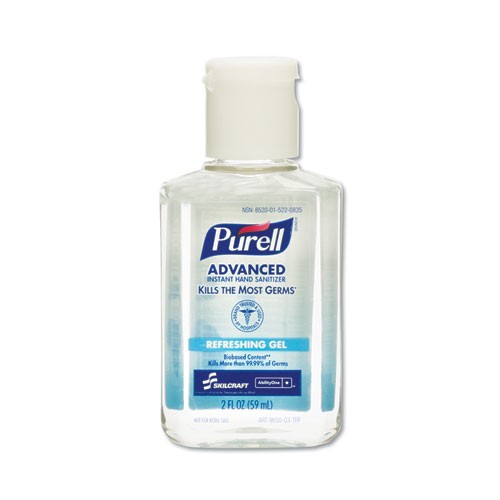
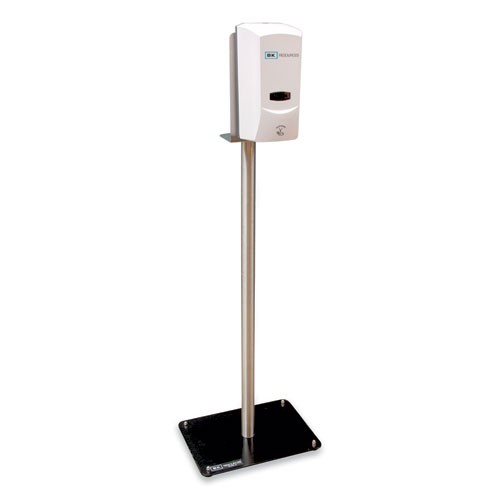
Hand sanitizing stations are a great way to provide this essential PPE to your staff without creating excess waste. With one large and/or refillable dispenser, you can make a healthier and more eco-friendly office.
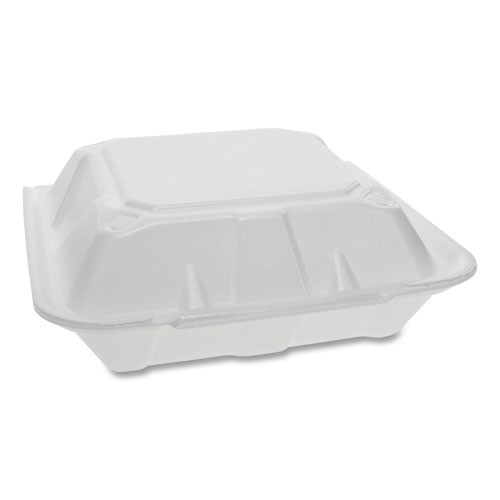
With the Covid-19 pandemic, restaurants had to close for dining-in and could only offer customers takeout. This meant more Styrofoam to-go boxes, plastic utensils, and disposable cups. In the workplace, many of these same items have consistently been found in the breakroom and are in full use again now that businesses have reopened. Experts say that due to the Covid-19 pandemic, these eating habits have contributed to the increase in plastic waste.7
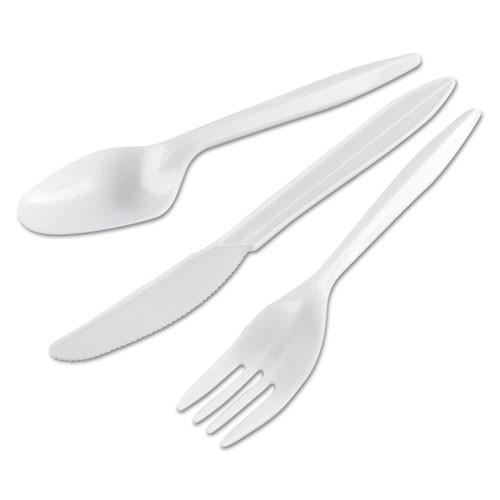
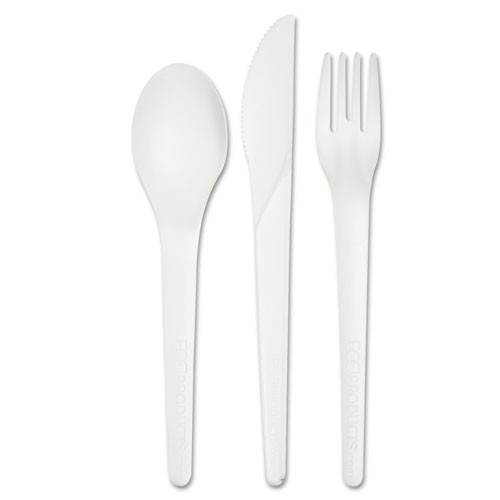
This material is made out of renewable plant-based bioplastic. It has higher heat-tolerance rating than most petroleum-based plastics, and is very durable. This material totally degrades within six weeks in commercial composting facilities.
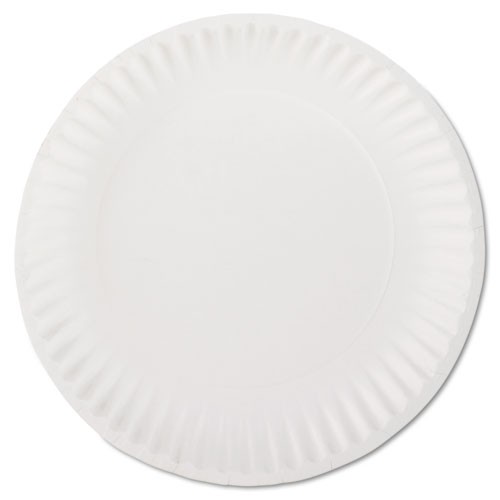
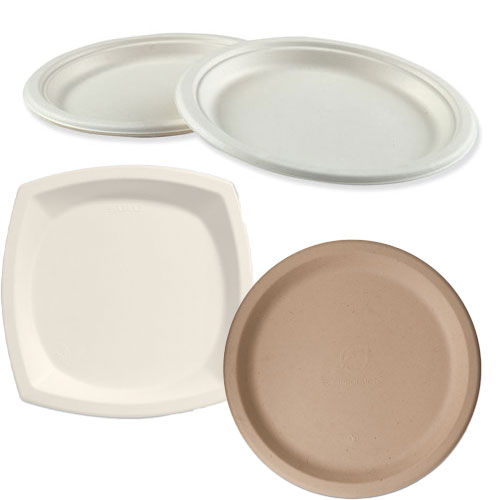
Bagasse is environmentally friendly, meets FDA guidelines for food service, and is 100% compostable. This material is renewable, sturdy and microwave safe.
Sugarcane has excellent soak-through resistance, great for limited storage, and thick construction.
Wheat Straw material is a rapidly renewable source, extremely durable and sturdy. It’s also grease, cut and freezer resistant.
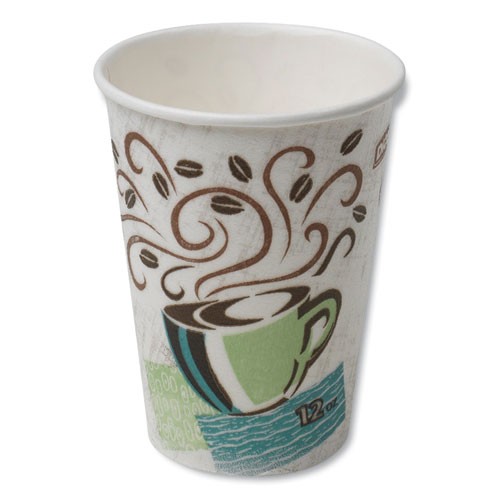
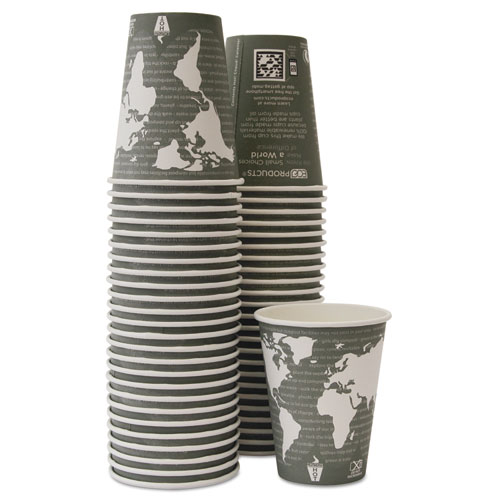
We’ve already established how bad Styrofoam is, but paper hot cups are no prize either. They are typically lined with plastic and stained with coffee, making them unrecyclable.
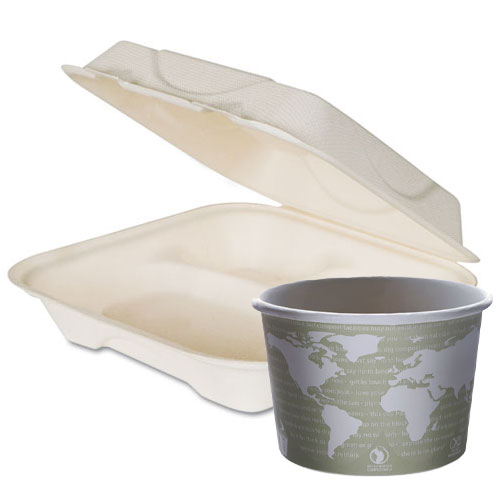
Compostable cups bring you the best of both worlds.
Here at Benjamin Office Supplies, we care about our community and want to keep it beautiful. One local business, one green product at a time can help make this a cleaner, better world for us all. From furniture to office supplies, we carry a plethora of Green products and encourage our customers to give them a try!