The era of the sterile, impersonal office is staying firmly in the past. Today’s successful workplaces are dynamic environments designed with a clear, human-centric goal: to support the well-being and productivity of the people who use them. The modern office is no longer just a place to work; it’s a strategic tool for fostering connection, focus, and innovation.

This shift means businesses must re-evaluate everything from their floor plan and office furniture to the very office supplies they stock. For companies in Washington, D.C., Maryland, and Virginia that are looking to attract and retain top talent, creating an intentional workspace is more important than ever. The goal is to build an office that people choose to work in, and that starts with understanding the key categories that bring a modern workspace to life.

The Residential Feel: Comfort as a Priority

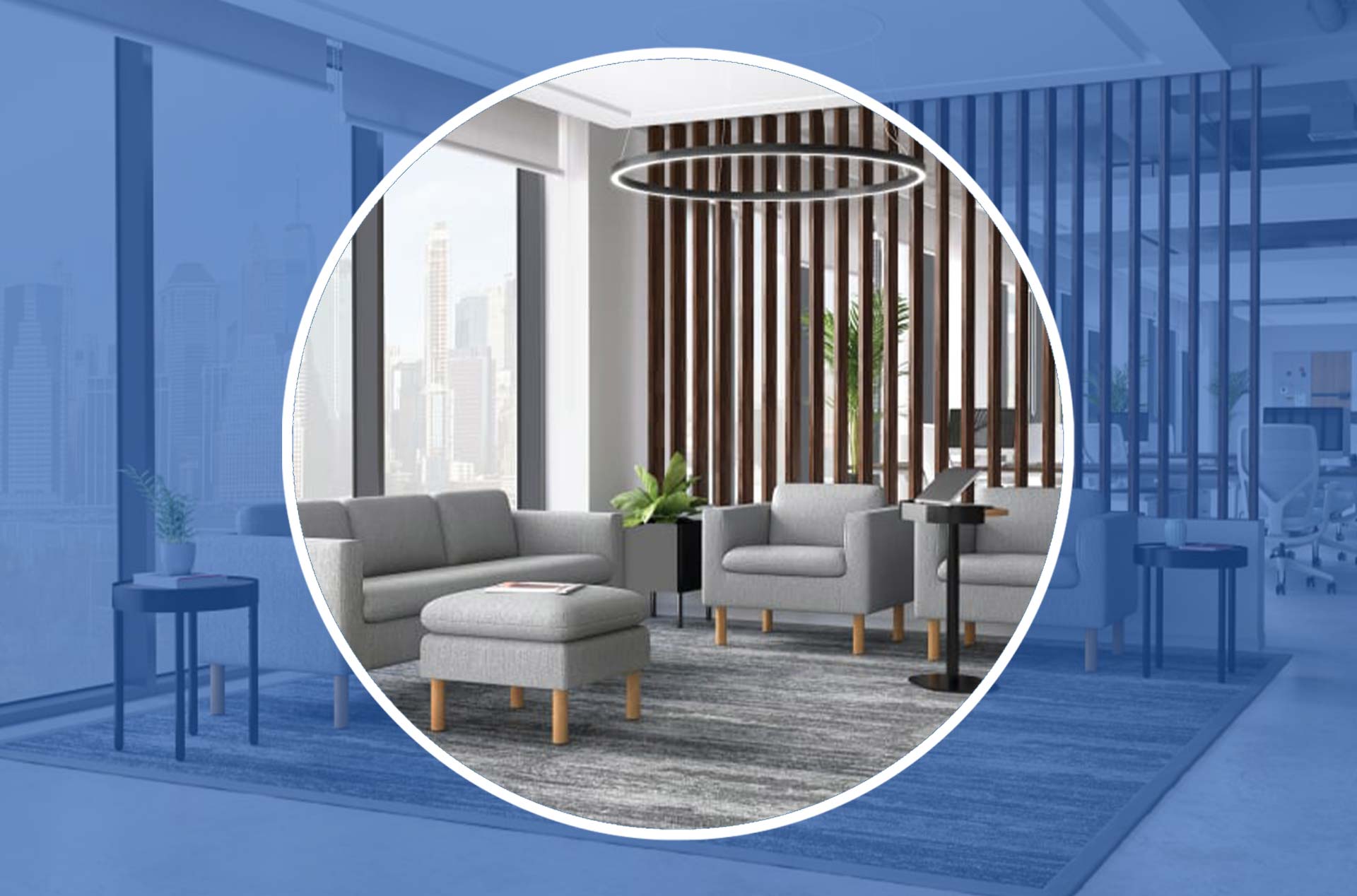
Modern offices are embracing a more residential, “home-like” aesthetic to make employees feel comfortable and at ease. This trend moves away from cold, corporate designs and towards warm, inviting spaces that encourage people to do their best work.

Key Categories to Consider:

  • Residential-Style Seating: Think beyond the standard office chair. Plush sofas, comfortable armchairs, and modular lounge furniture create informal areas for collaboration and relaxation.
  • Biophilic Elements: Incorporating plants, living walls, and natural materials like wood and stone can reduce stress and improve air quality, making the space feel more alive and connected to nature.
  • Art and Accessories: Soothing artwork, area rugs, and decorative lighting personalize the space and break the monotony of a traditional office, contributing to a more inspiring atmosphere.
  • Acoustic Solutions: Soft furnishings, sound-absorbing panels, and carpets are essential for managing noise in these softer spaces, ensuring comfort doesn’t come at the cost of concentration.

Designing for Flexibility and Flow

The fixed, assigned desk is giving way to dynamic, flexible floorplans that support a variety of workstyles. Organizations are creating “neighborhoods” within the office designed for specific activities, from deep focus to team collaboration.

Key Categories to Consider:

  • Modular and Mobile Furniture: Desks and tables on casters, movable partitions, and lightweight seating allow teams to reconfigure their space quickly based on their needs.
  • Activity-Based Workstations: This includes a mix of standard desks, standing desks, high-top tables for perching, and focused booths for private phone calls or individual work.
  • Collaborative Furniture: Large communal tables, whiteboards on wheels, and comfortable meeting nooks are crucial for spontaneous brainstorming and team meetings.
  • Adaptable Storage Solutions: With the rise of cloud storage, personal storage lockers and mobile pedestals are replacing bulky fixed shelving, freeing up floor space and supporting a clean-desk feel.

Foundational Ergonomics: Supporting Employee Health

Employee well-being is directly linked to the physical tools they use daily. A foundational element of any modern office is ergonomic furniture designed to support the body and combat the health risks associated with prolonged sitting.

Key Categories to Consider:

  • Ergonomic Seating: High-quality, adjustable office chairs that provide proper lumbar support are non-negotiable for employee health and comfort.
  • Sit-Stand Desks: These workstations allow users to alternate between sitting and standing throughout the day, promoting movement and reducing fatigue.
  • Supportive Accessories: Monitor arms, ergonomic keyboards, anti-fatigue mats, and wrist rests work in tandem with chairs and desks to create a fully supportive individual workstation.

The Sustainable and Functional Office

A commitment to sustainability is now a standard expectation for modern businesses. This extends beyond energy efficiency to the everyday products used throughout the office, reflecting a company’s values and reducing its environmental footprint.

Key Categories to Consider:

  • Breakroom Essentials: Moving towards a sustainable breakroom means having the proper breakroom essentials. Invest in a water filtration system to eliminate plastic bottles, use compostable plates and utensils, and choose eco-friendly cleaning supplies.
  • Green Office Supplies: This category includes products like recycled paper, refillable pens, and toner cartridges, and non-toxic markers.
  • Waste Management Stations: Providing clearly labeled bins for recycling, compost, and landfill encourages proper disposal and makes a company’s sustainability efforts visible and effective.

Your Partner in Workspace Design

Navigating these categories and selecting the right products for your specific needs can be a complex task. That’s where our expert guidance makes all the difference. At Andy Stern’s and Benjamin Office Supply, we specialize in helping businesses across the DMV area transform their workspaces. It’s what we like to call The Benjamin Difference.

Our space planning and design team can help you create a floor plan that maximizes flow and functionality. We provide everything from ergonomic furniture and collaborative seating to sustainable supplies, all tailored to create a workspace that is both productive and inspiring.

Contact our design specialists today for a consultation and let us help you create a workspace that your team will love.
Related Posts

Archives